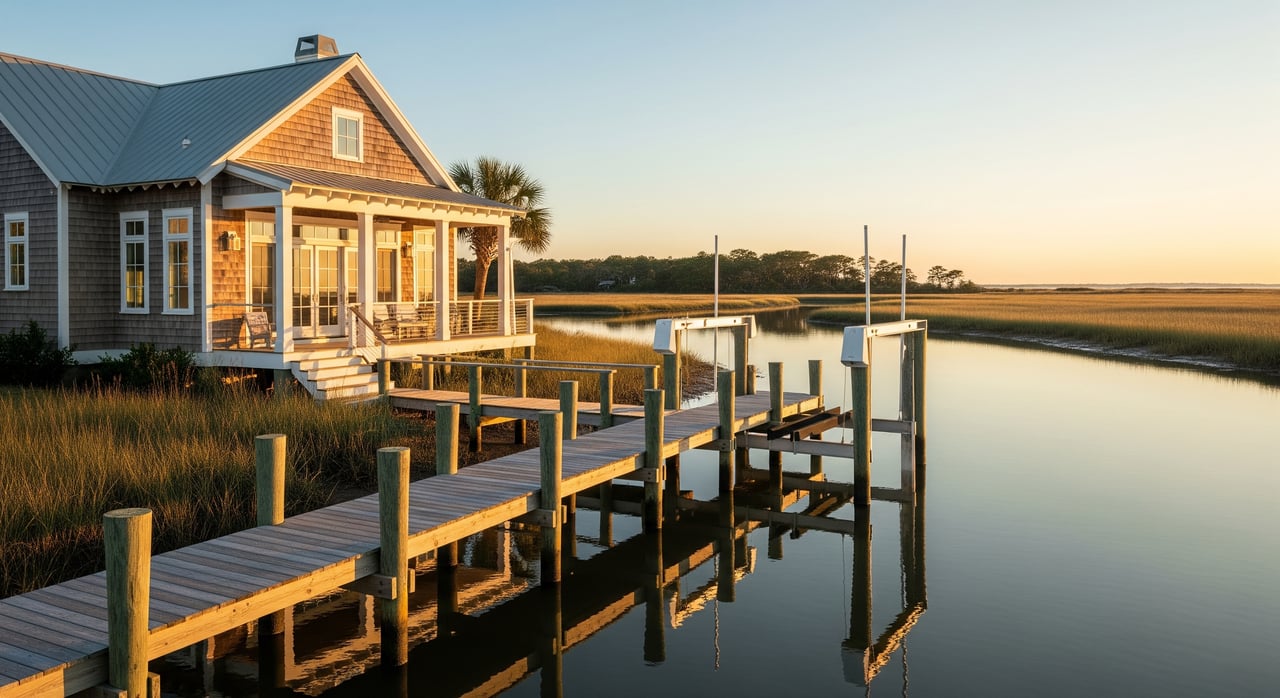
Salters Haven Waterfront Living: What to Check First
January 1, 2026
January 1, 2026
Dreaming of a home where the water is part of your everyday view? In Salters Haven and the greater 28443 area, waterfront living blends natural beauty with practical details you need to understand before you buy or sell. You want the right access, the right protections, and a plan for long-term upkeep. This guide walks you through local waterfront types, permits, insurance, maintenance, value drivers, and a simple due-diligence checklist so you can move forward with confidence. Let’s dive in.
Waterfront in 28443 typically means frontage on tidal creeks, sounds, or estuaries connected to the Intracoastal Waterway. Depth, tidal range, and navigation channels affect how you use the water, from kayaking to boating with a lift.
Shorelines vary between marsh edge, bulkheaded lots, and small basins or canals where present. Water depth at low tide, exposure to wind and waves, and proximity to public ramps or marinas shape day-to-day enjoyment and value.
You can expect boating, fishing, paddling, and birdwatching as everyday options. Regional amenities include Wilmington and nearby beaches. Commute times and services depend on your exact spot in 28443.
Coastal projects often need permits. Docks, piers, bulkheads, and shoreline stabilization typically require review by the NC Division of Coastal Management, and sometimes the U.S. Army Corps of Engineers. Activities in wetlands or navigable waters may trigger additional state and federal approvals.
Confirm whether riparian rights transfer with the deed and check for any easements or shared community access. If your home is in an HOA, review CC&Rs and architectural rules that govern docks, setbacks, and bulkheads before planning changes.
Lenders rely on FEMA Flood Insurance Rate Maps to identify Special Flood Hazard Areas. Obtain your flood zone, Base Flood Elevation, and any Elevation Certificate from the seller or county records. These details affect insurance, lending, and construction choices.
Coastal Pender County faces tidal flooding, storm surge from hurricanes and nor’easters, and long-term sea-level rise. Elevated construction, engineered mitigation, and smart siting can improve resilience and insurability.
If a property is in a Special Flood Hazard Area and you use a federally backed mortgage, flood insurance is typically required. Compare NFIP and private flood policies early. Expect coastal wind coverage and hurricane deductibles to influence your total cost of ownership.
Lenders confirm flood zones and require proof of coverage when applicable. Elevated foundations, mitigation features, and strong maintenance records can support underwriting and premiums.
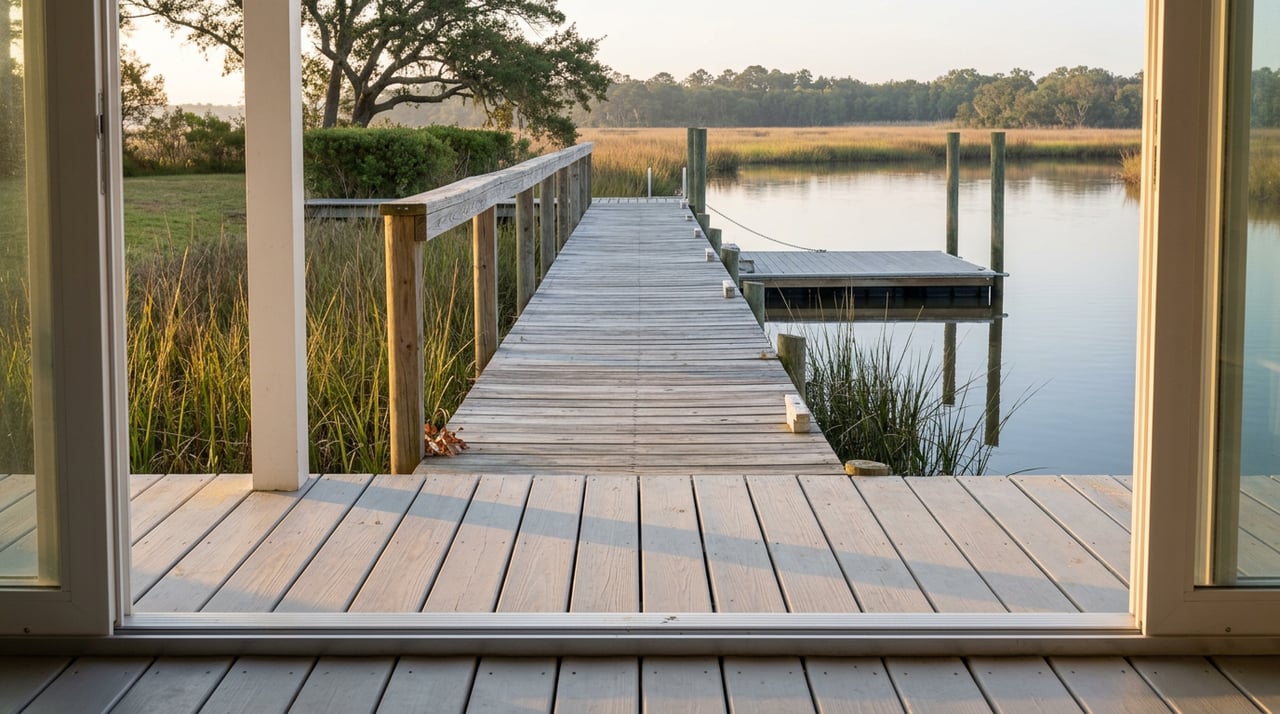
Bring in specialists. Evaluate bulkheads, revetments, and docks for structural integrity, fasteners, electrical systems, and boat lifts. Look for signs of scour, subsidence, or undermining around foundations. Plan for the lifespan and replacement costs of marine structures.
Many coastal lots use septic systems. Pull Health Department records for permit history, drainfield layout, and capacity. If a well is present, test for salinity. Clarify stormwater responsibilities and utility ownership between county and HOA, if applicable.
Salt air accelerates wear. Budget for regular pressure washing, wood treatment or replacement, corrosion checks, HVAC servicing, and periodic dock and bulkhead work. Waterfront homes often have higher annual maintenance costs than inland properties.
Homes with private deep-water access, direct routes to the ICW, and quality docks usually command premiums. Elevation relative to Base Flood Elevation, view corridors, and shoreline exposure also influence price and demand.
Community amenities, documented riparian rights, and well-maintained marine structures can support resale value. Seasonal patterns and second-home demand can affect timing and strategy, so align your plans with current market conditions.
Buyers will ask about flood zones, elevation, and shoreline structures, so gather documentation early. Locate the Elevation Certificate, HOA rules, and any permits for docks or bulkheads. Provide maintenance records, insurance details, and recent improvements. Strong presentation and clear facts help you defend value and shorten time on market.
If you want a local, full-service partner to market your home or help you find the right waterfront fit, reach out to Rob Warwick for a conversation and a plan that matches your goals.
Stay up to date on the latest real estate trends.
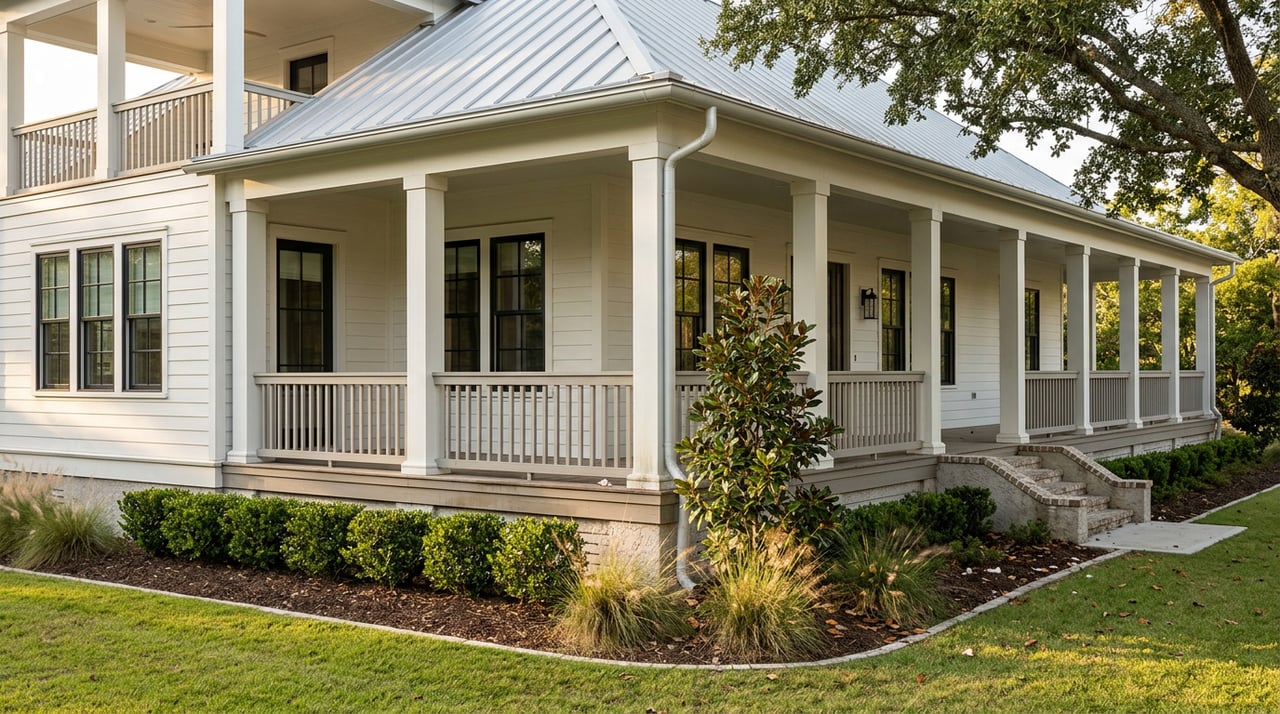
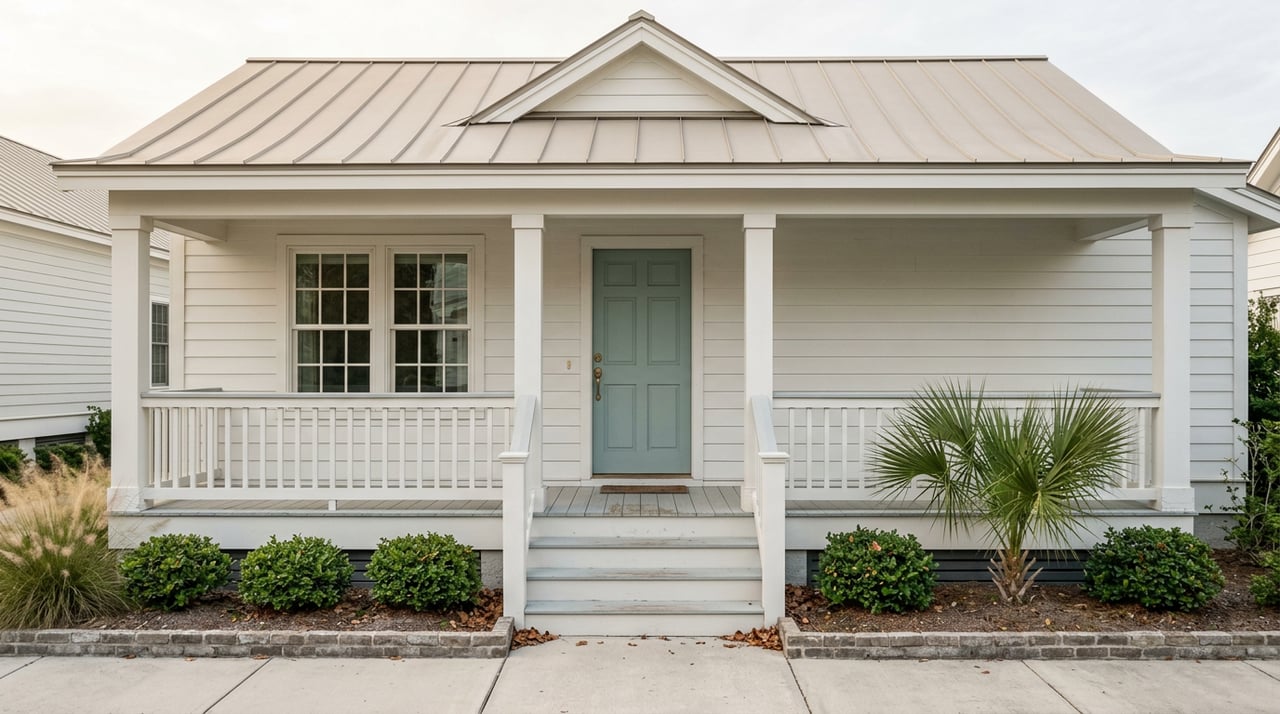
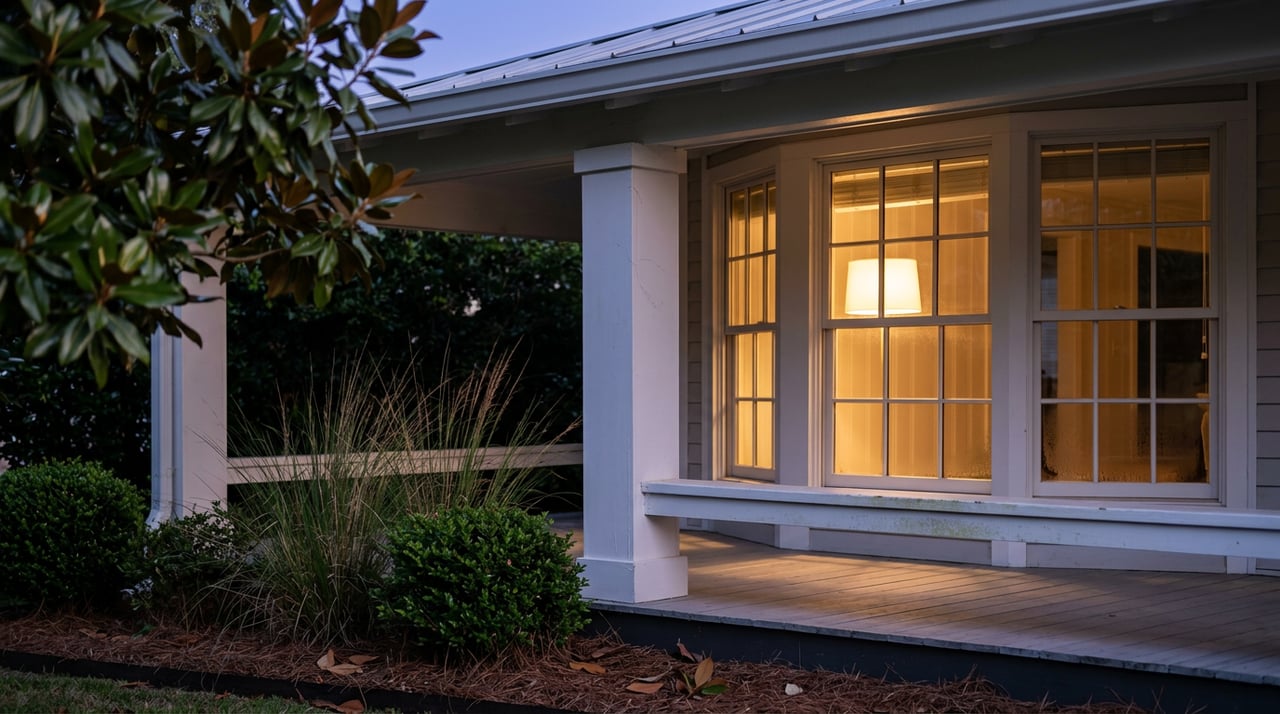

Providing our clients with a stress-free home buying or selling experience is our number one priority. With personalized service, our team will guide you through every step of the process. Our approach to helping clients buy or sell a home in the Wilmington area is simple—it starts with exceptional customer service. We take the time to listen, follow up, and answer questions directly, ensuring your experience is seamless and rewarding.