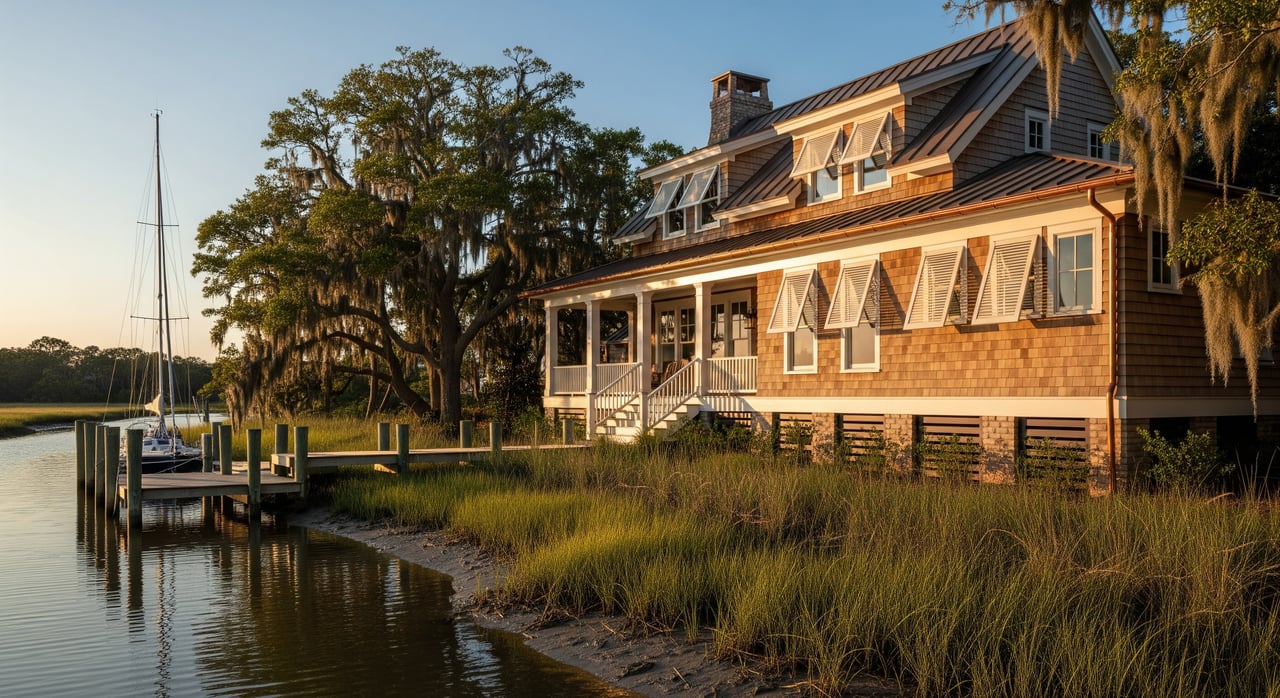
Essential Helms Port Coastal Insurance Basics for Buyers
January 15, 2026
January 15, 2026
Buying near the water should feel exciting, not overwhelming. If you are eyeing a home in Helms Port, insurance can be the trickiest part of the process. Coastal policies come with extra rules, separate deductibles, and flood requirements that are easy to miss. In this guide, you will learn the essentials of wind, flood, and hurricane coverage, plus practical steps to line up the right protection before you close. Let’s dive in.
Helms Port sits in coastal New Hanover County, where hurricanes, wind-driven rain, storm surge, and flooding shape how insurance works. Lenders and insurers look closely at FEMA flood zones, the home’s elevation, and construction details. That information drives what coverage you need and how much it may cost. Because maps and underwriting can change after storms or updates, it pays to verify details early.
A standard homeowners policy usually covers your dwelling, other structures, personal property, and liability. It often includes wind and hail, but in coastal areas the wind or hurricane portion may have special deductibles or restrictions. Always confirm if wind is included and what deductible applies.
Flood is different. Homeowners insurance does not cover flood or storm surge. If rising water enters the home, that is a flood loss that requires a separate flood policy. You can buy flood coverage through the federal National Flood Insurance Program or from private flood insurers. As of 2024, NFIP residential policies typically offer up to $250,000 for building coverage and $100,000 for contents. Private policies can offer higher limits and different terms, depending on underwriting.
In many coastal policies, wind or hurricane losses have a separate deductible. This can be a flat dollar amount or a percentage of the dwelling limit. Percentage deductibles can mean a sizable out-of-pocket cost after a named storm. Ask your insurer to show you the deductible in dollars so you can plan your emergency budget.
FEMA maps Special Flood Hazard Areas, including A and V zones. V or VE zones are coastal high-hazard areas and often carry higher premiums. If the property is in an A or V zone, your lender will almost always require flood insurance. Even if your future home sits outside these zones, flooding can still happen, so consider a policy based on your risk tolerance and elevation.
You can look up a property’s flood zone and Base Flood Elevation on the FEMA Flood Map Service Center. Ask for an Elevation Certificate, if available, since it can impact pricing for both NFIP and private flood policies. If you need one, FEMA’s Elevation Certificate guidance explains what it includes and how it is used.
These sources help you confirm lender requirements, check eligibility, and understand how a specific home’s elevation affects risk.
Get quotes as early as possible. NFIP policies usually have a 30-day waiting period before coverage begins, with limited exceptions for certain real estate transactions. Private flood insurers may have different timing, but do not assume last-minute options will be available. Share the property address, construction details, and any Elevation Certificate to help insurers price the risk accurately.
Plan for two separate policies: homeowners and flood. Some coastal properties may also need placement with specialty or surplus-market carriers for wind coverage if admitted insurers have limits in your area. Your lender may escrow flood premiums and will require proof of coverage before closing. If you do not secure a required flood policy, a lender can force-place coverage, which is often more expensive and may provide less protection.
Standard policies exclude certain items unless you add them. Ask about:
Insurers reward mitigation and documentation. Consider:
If you have damage, document everything with photos and videos, make reasonable temporary repairs, and keep your receipts. For flood losses, contact your NFIP or private flood insurer listed on the policy. For wind and other covered perils, contact your homeowners insurer. When both wind and flood contribute, claims may involve both policies, and adjusters will sort out what each covers. Be prepared for the wind or hurricane deductible to apply to wind-related damage.
Use this short list to stay ahead of lender and insurer timelines.
Before you offer
During due diligence
Before closing
Buying in Helms Port means planning for salt air, sunshine, and coastal weather. When you understand the difference between homeowners and flood coverage, confirm the flood zone and elevation, and compare wind deductibles up front, you protect your budget and avoid surprises at closing. If you want a local team that coordinates with your lender and helps you gather the right documents from day one, connect with Rob Warwick. We are here to help you move with confidence.
Stay up to date on the latest real estate trends.
Providing our clients with a stress-free home buying or selling experience is our number one priority. With personalized service, our team will guide you through every step of the process. Our approach to helping clients buy or sell a home in the Wilmington area is simple—it starts with exceptional customer service. We take the time to listen, follow up, and answer questions directly, ensuring your experience is seamless and rewarding.