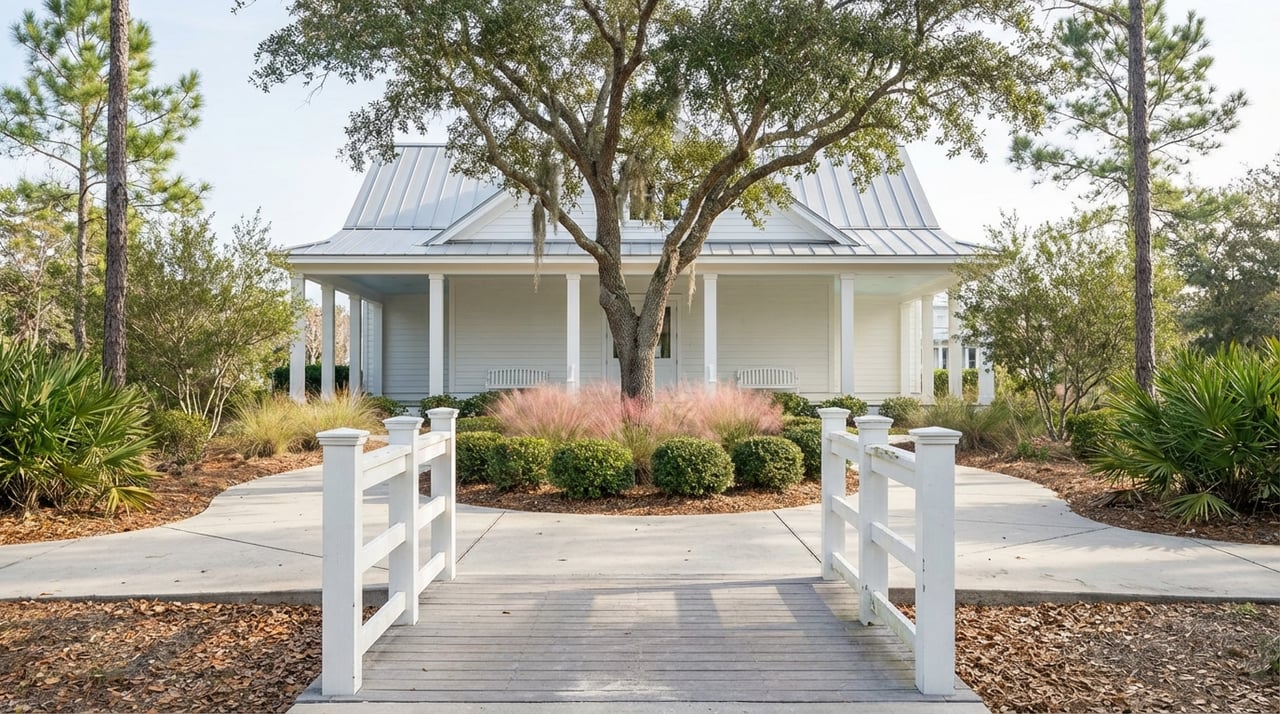
Choosing between a townhome and a cottage in East & Mason can feel tricky. You want the right blend of space, outdoor living, maintenance, and long-term value, especially in a coastal ZIP like 28409. This guide walks you through the key differences in lifestyle, costs, and due diligence so you can move forward with clarity. Let’s dive in.
East & Mason context in 28409
East & Mason sits within New Hanover County’s coastal corridor, where wind, storm, and flood considerations are part of smart homeownership. The community is master planned, which usually means multiple home types and HOAs that may overlap. Before you decide, confirm whether a specific address is under county or municipal rules and how the HOA is structured. That groundwork helps you compare cottages and townhomes on equal footing.
Townhome vs cottage: what they are
Townhomes at a glance
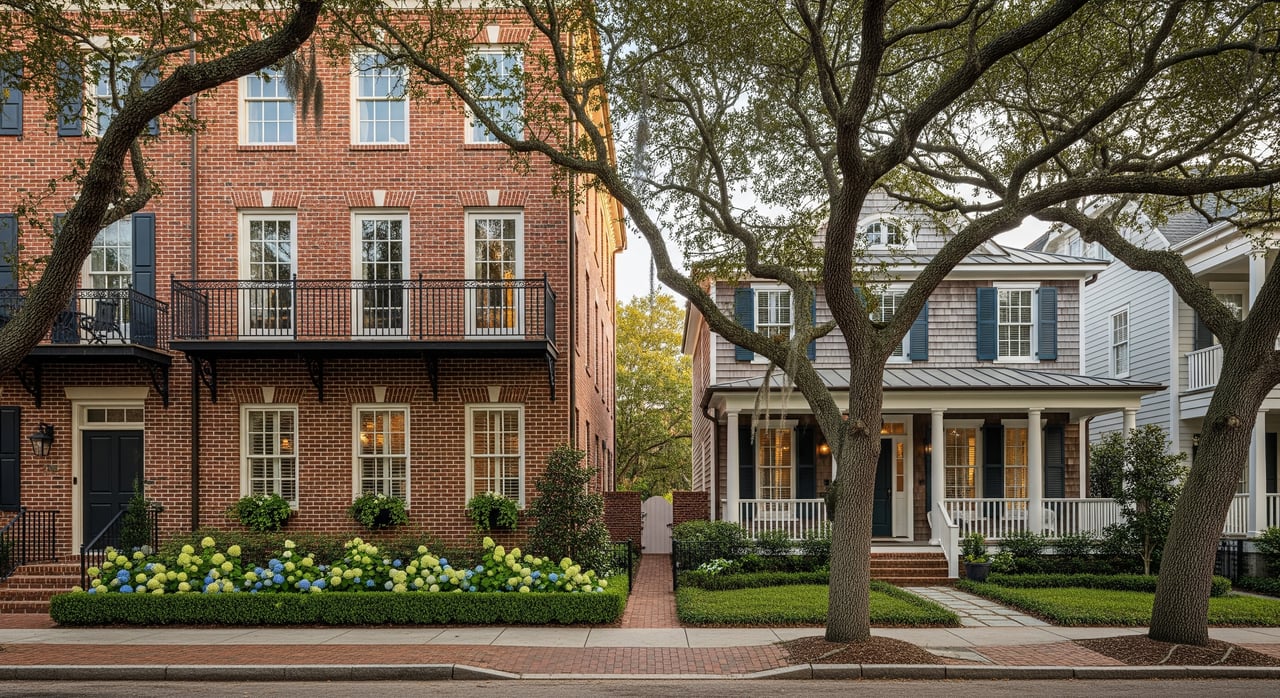
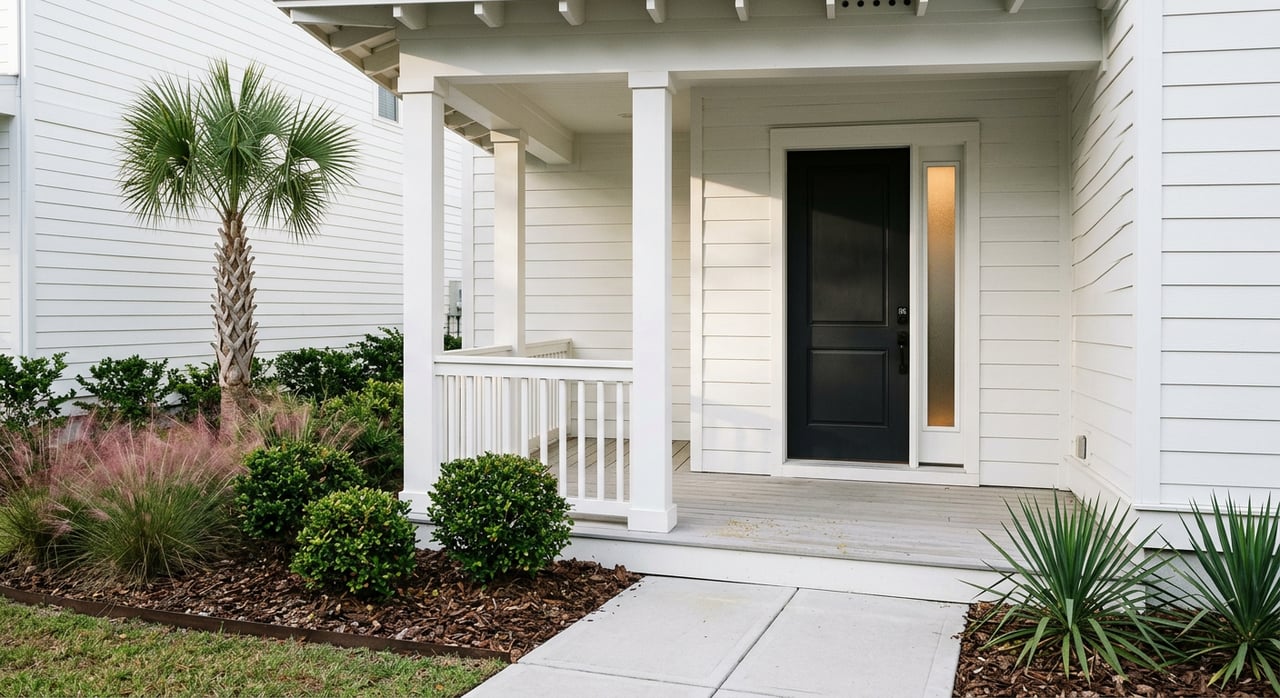
- Attached homes with shared walls, often 2 to 3 stories with a compact footprint.
- Small private outdoor areas like a patio or deck, and sometimes a rear or ground-level garage.
- Efficient vertical layouts with living areas on the main level and bedrooms above.
- HOAs commonly handle exterior items like roof, siding, and common landscaping, which raises dues but reduces owner time.
Cottages at a glance
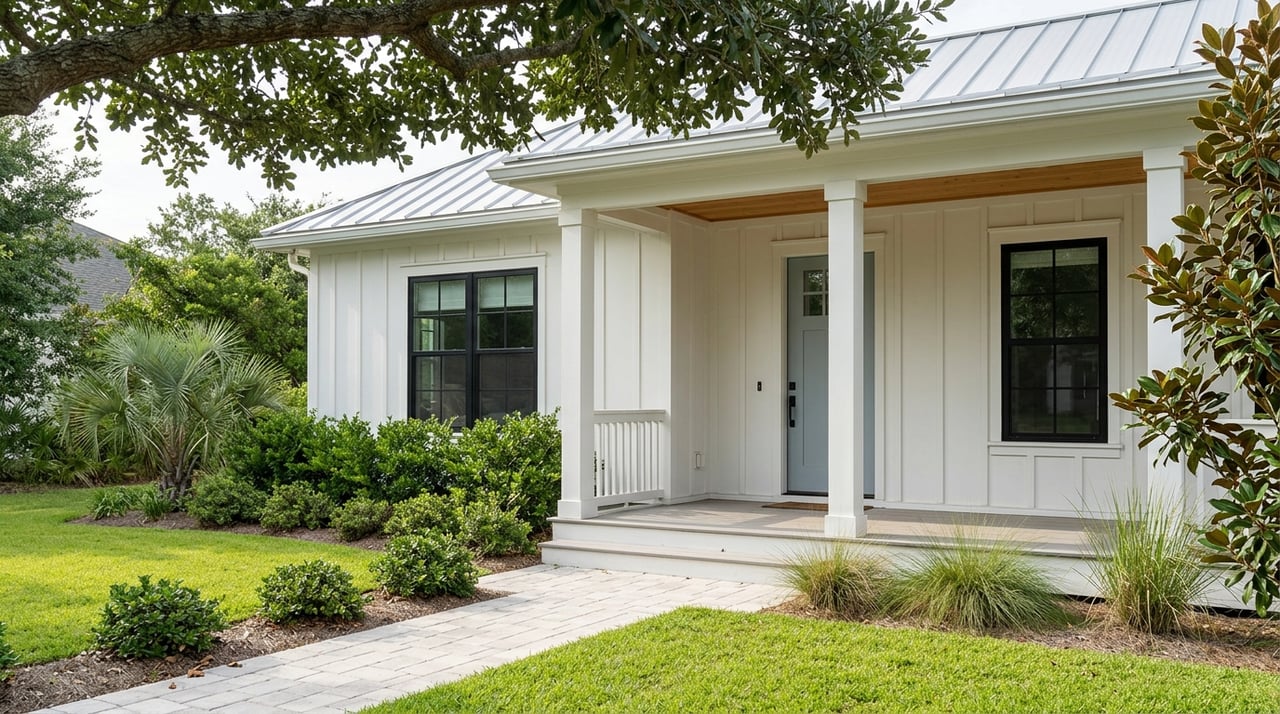
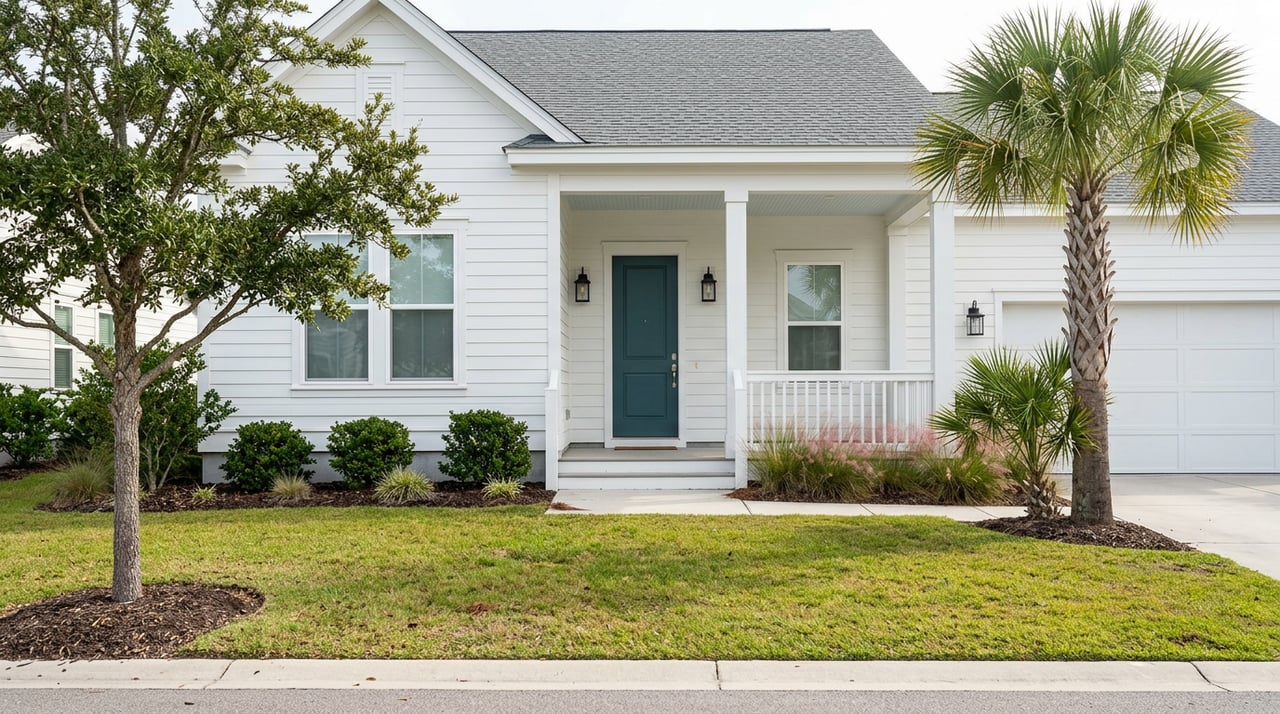
- Small to moderate detached homes, often single level or one-and-a-half stories with coastal cottage details.
- Private driveway and yard, typically larger than a townhome lot yet smaller than a traditional detached lot.
- Open-plan living with easy access to porches and outdoor space, plus potential for a small shed or accessory structure if allowed.
- HOAs may be lighter on exterior coverage, with owners often responsible for yard and exterior maintenance.
Maintenance, HOA, and monthly costs
Exterior and landscaping
- Townhomes: You usually spend less time on exterior upkeep since the HOA often covers the building shell and shared areas. In return, you pay higher dues.
- Cottages: You have more control and privacy, but you also take on more yard and exterior work unless the HOA provides services.
- Larger single-family homes: Highest owner responsibility for exterior and yard. If you compare them, cottages sit in the middle for effort and cost.
HOA dues and rules
- Expect townhome dues to be higher when the HOA maintains exteriors and shared sites.
- Review the CC&Rs, bylaws, budgets, and any reserve study to see what’s covered, what isn’t, and whether special assessments have occurred.
- In master-planned settings, a neighborhood HOA can coexist with a community association. Verify where responsibilities and amenities overlap.
Insurance in a coastal corridor
- In 28409, wind and flood risk matter for any property type. Townhome owners often pair a unit policy with coverage provided under a master policy. Detached cottages require homeowners insurance, and flood insurance may be needed if a home sits in a FEMA Special Flood Hazard Area or if a lender requires it.
- Check FEMA flood maps and New Hanover County’s GIS for parcel-level flood zones and Base Flood Elevations. Ask about windstorm mitigation features that may lower premiums.
Space, privacy, and outdoor living
Indoor layouts
- Townhomes: Vertical living works well if you are comfortable with stairs and want efficient, modern layouts.
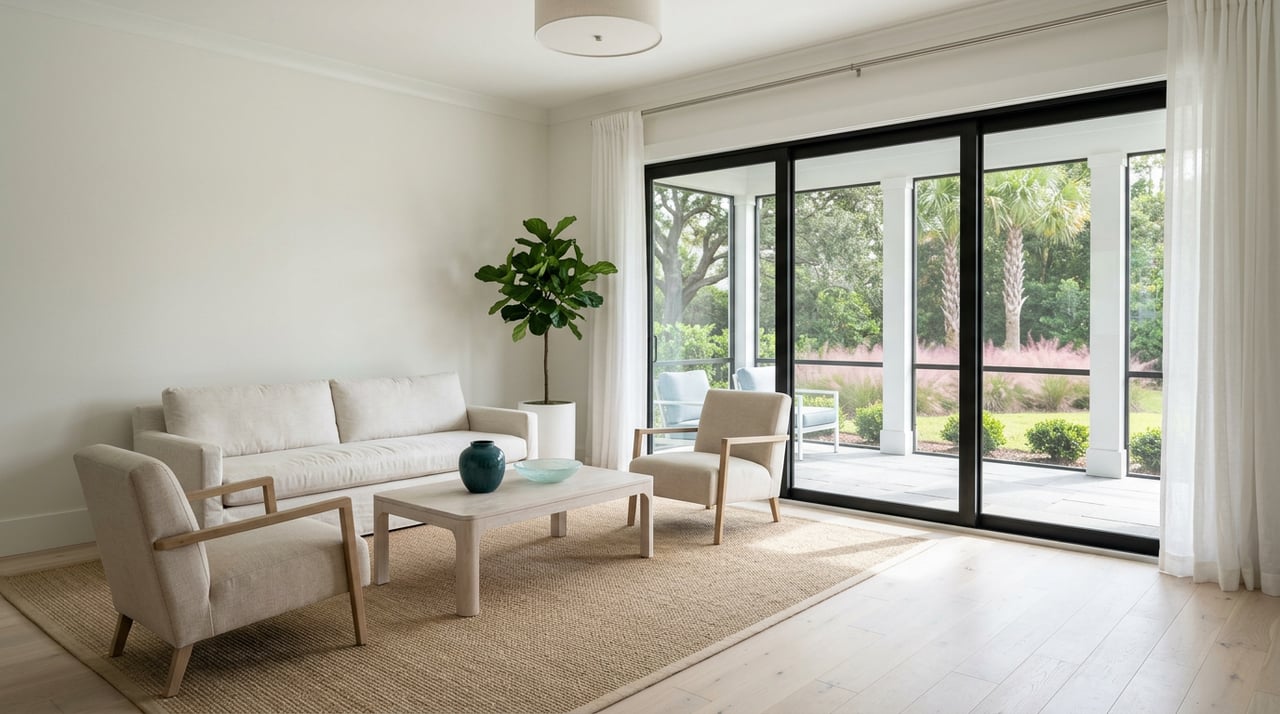
- Cottages: Single-level or shallow multi-level designs support easier daily movement and aging in place.
- Larger detached homes: Offer extra rooms and flexibility, but that may be more space than you need.
Outdoor living
- Townhomes: Private outdoor space is limited, though master-planned settings often include shared green areas and trails.
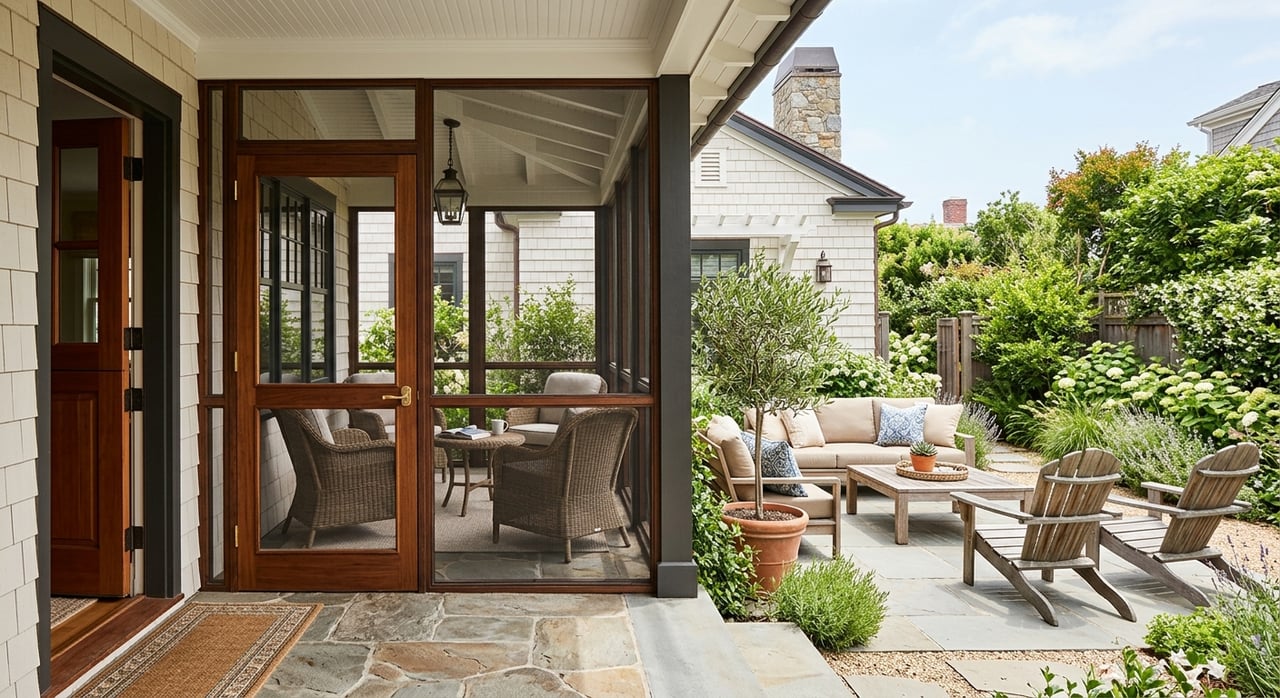
- Cottages: More personal yard for gardening, grilling, or a small play area, with greater privacy than most townhomes.
Parking and storage
- Townhomes: Garages can be compact or tandem with tighter storage.
- Cottages: More flexibility for a shed or small accessory space if allowed by HOA rules.
Budget and resale considerations
- In many markets, townhomes are priced below cottages, with larger detached homes at the top. Finishes, location in the community, and views can shift that order. For example, a highly finished townhome in a prime spot may outprice a basic cottage, and a waterfront cottage can exceed townhome pricing.
- Your monthly outlay is a mix of mortgage, HOA dues, insurance, and taxes. Higher HOA dues might lower your purchase price but raise your monthly costs. Flood zone and elevation can affect insurance and net affordability.
- Resale demand differs by product and supply. Townhomes attract low-maintenance buyers. Cottages appeal to a broad set of buyers who want detached living. Market variability within a single community is common, so use recent, hyper-local comps when you compare.
Lifestyle match: who fits what?
- Active professionals or small households: Choose a townhome if you want minimal exterior upkeep and walkable streets. Choose a cottage if you want a little yard and detached privacy.
- Downsizers and empty nesters: A cottage delivers single-level convenience. A townhome can work if you prefer lock-and-leave living and don’t mind stairs.
- Growing households: Consider larger detached options or a larger cottage footprint for storage, yard, and flexible rooms.
- Investors and second-home buyers: Start with HOA rental rules. Townhomes can be simpler to maintain, but approvals and caps vary by association.
Due diligence checklist for East & Mason buyers
- Confirm whether a specific address is in a county or municipal jurisdiction and review applicable zoning and setbacks.
- Request the HOA’s CC&Rs, bylaws, budget, reserve study, and any recent meeting minutes.
- Identify what the HOA covers for townhomes versus cottages, including exterior, landscaping, and amenity upkeep.
- Check FEMA flood maps and New Hanover County GIS for parcel-level flood zones and Base Flood Elevation.
- Get early quotes for homeowners and flood insurance for the exact homes you are considering.
- Ask whether a townhome is fee simple or treated like a condominium, since financing and insurance can differ.
- Verify utility providers, stormwater management details, and who maintains roads.
- Map commute times to key destinations and evaluate internal walkability and bike routes.
- Confirm school assignments through New Hanover County Schools if that factor matters to you.
- Validate community amenities and access rules directly with the association or developer materials.
Ready to tour East & Mason?
Choosing between a townhome and a cottage comes down to how you want to live day to day, what you want to maintain, and how coastal risk fits your budget. If you want local, practical guidance and a side-by-side comparison of real listings, reach out to the Warwick Team. We’ll help you review HOA coverage, insurance nuances, and micro-location tradeoffs so you can buy with confidence. Connect with Rob Warwick to get started.
FAQs
What’s the main difference between townhomes and cottages in East & Mason?
- Townhomes are attached with shared walls and often higher HOA coverage, while cottages are detached with more yard and personal exterior responsibility.
How do HOA dues typically compare for townhomes vs cottages in 28409?
- Townhome dues are often higher due to exterior and site maintenance, while cottage dues can be lower but leave more upkeep to the owner.
Do I need flood insurance for a home in East & Mason?
- It depends on the parcel’s flood zone and lender requirements; check FEMA maps and county GIS, then get quotes early.
Are townhomes in East & Mason financed differently than cottages?
- Sometimes; attached units can be underwritten differently if treated like condos, so confirm structure type with the HOA and your lender.
Which offers more outdoor privacy in East & Mason, a townhome or a cottage?
- Generally a cottage, since it is detached with a larger private yard, though privacy still varies by lot and orientation.
Which tends to hold value better in 28409, townhomes or cottages?
- It varies by supply, finishes, and micro-location; use recent neighborhood comps to judge resale trends for each product type.