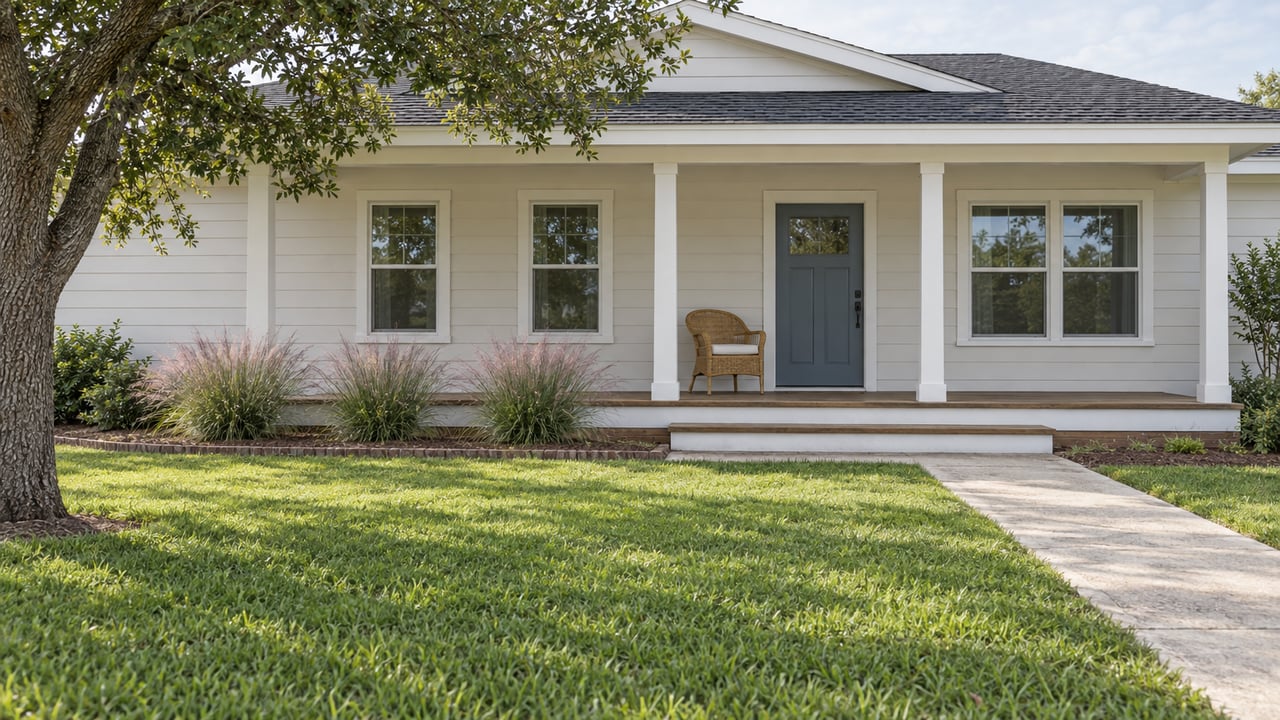
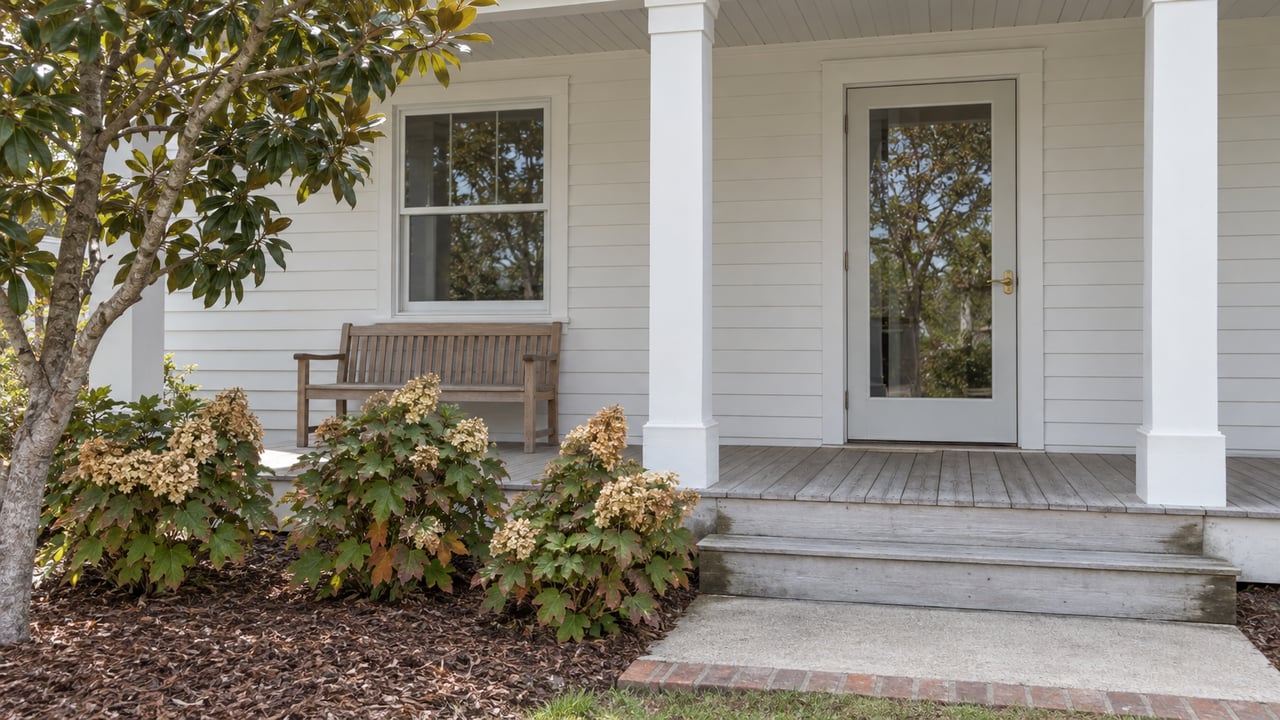
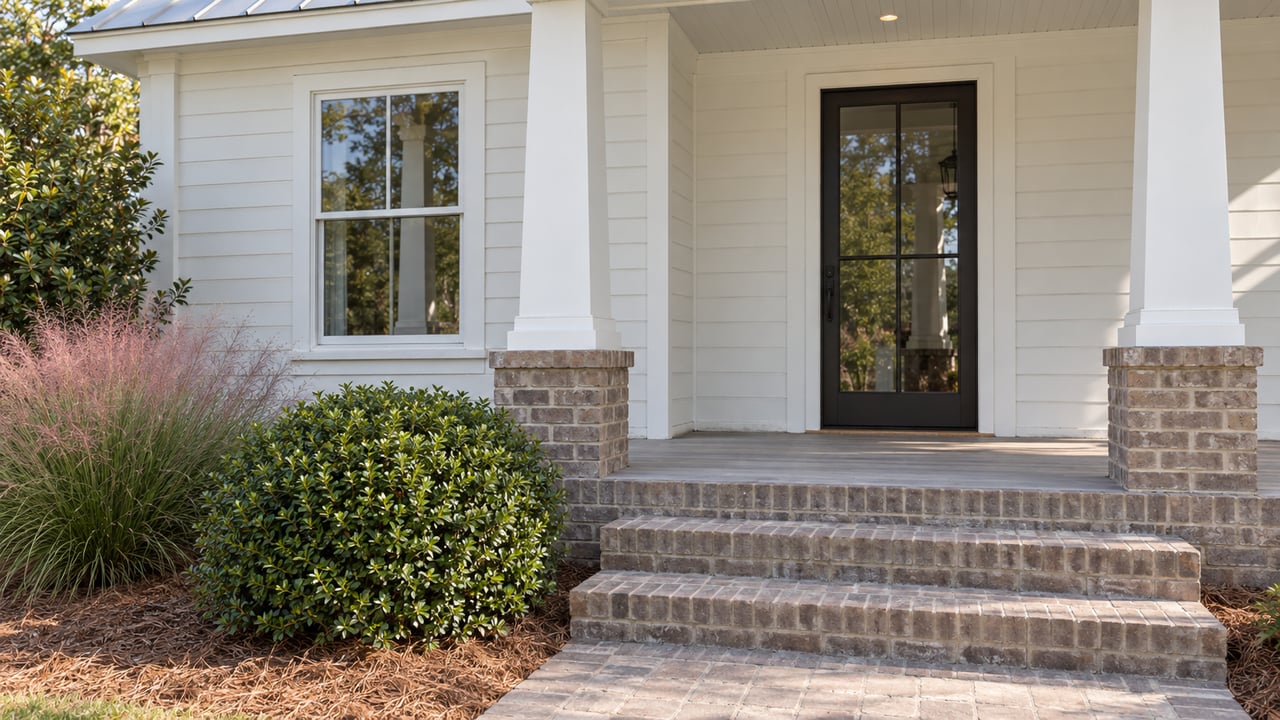
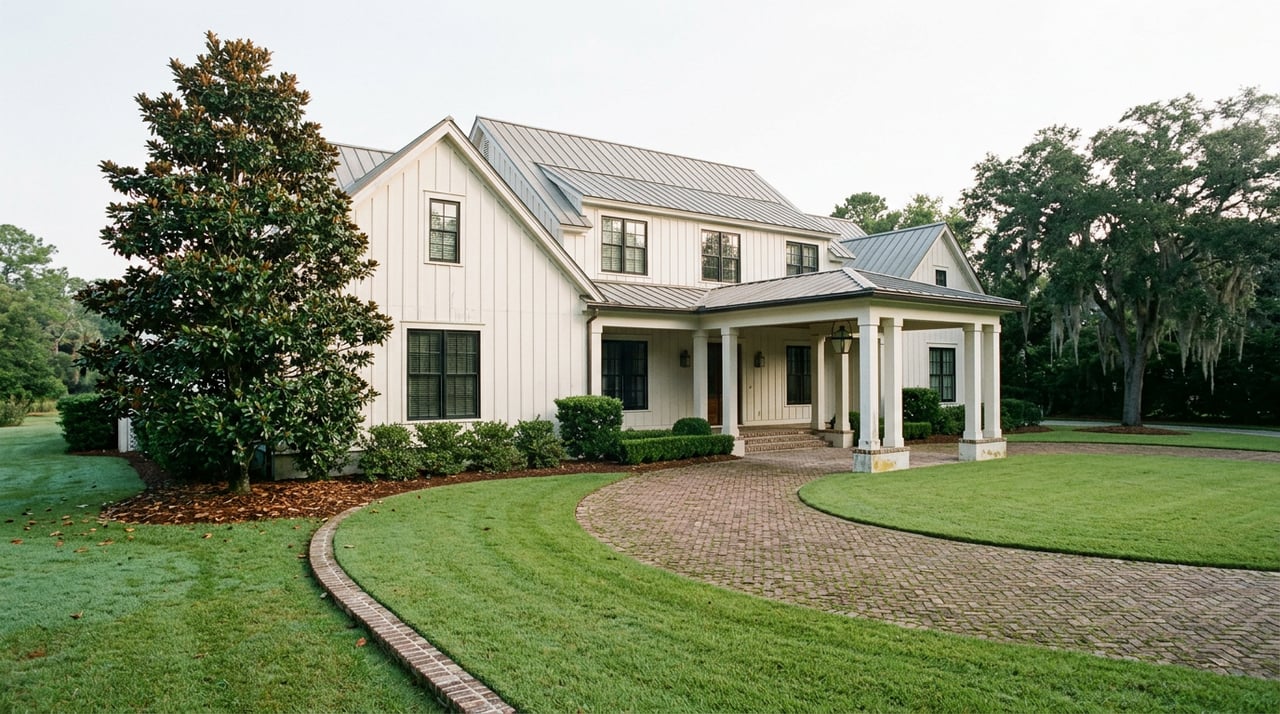
Thinking about building your dream place in Compass Pointe or buying a move-in-ready resale? The choice shapes your budget, timing, and stress level in a coastal market where details like flood zones and insurance really matter. You want clarity on costs, pros and cons, and the exact steps to protect your investment. This guide gives you a side-by-side view, local due diligence checklists, and trusted places to verify the facts before you sign. Let’s dive in.
Compass Pointe context
Compass Pointe sits in Brunswick County’s coastal corridor, where lifestyle buyers, retirees, and second-home owners help drive demand. Coastal settings add practical considerations such as flood risk, storm resilience, and insurance costs. The pace of sales can change with interest rates, so rely on current MLS data and regional market reports rather than old headlines.
If you are comparing homes, focus on lot characteristics, amenity access, and the neighborhood’s recent comparable sales. Those elements often influence both pricing and long-term value.
New build vs resale: What changes your bottom line
Purchase price and short-term costs
- New build: Pricing typically bundles the base home, lot, and builder profit. Lot premiums for views or locations can add up. Buyers often spend 5–15% or more on upgrades like flooring, appliances, and landscaping, so confirm the full build-out number early. Builders may offer incentives, such as closing cost help or rate buydowns, that affect your net cost.
- Resale: The price reflects a completed home with landscaping, plus comparables. You may have more room to negotiate depending on days on market. Seller concessions vary by demand.
Ongoing costs: maintenance, insurance, taxes
- New build: Expect lower immediate maintenance and modern systems that may reduce early repair and utility costs. After completion, your assessed value may change, which impacts taxes.
- Resale: Budget for repairs or replacements sooner, especially for HVAC, roof, or plumbing. Confirm current assessed value with the county and ask for insurance quotes before you finalize your numbers.
Timeline and certainty
- New build: Plan for a longer path from contract to keys. Delays can come from permitting, weather, supply chains, or subcontractor scheduling.
- Resale: You can often close in 30 to 60 days if financing and inspections move smoothly. Timelines depend on lender speed and any repair negotiations.
Customization and design
- New build: You can select finishes and, if you buy early enough, adjust certain layout elements. Choices depend on the model and phase.
- Resale: You get a known product and immediate occupancy. Major changes require renovation.
Inspections, warranties, and quality control
- New build: Most builders offer express warranties, such as one year for workmanship and longer coverage for systems or structure. Get warranty terms in writing. Municipal inspections occur during construction, but it is wise to hire your own inspector for pre-drywall and final checks.
- Resale: A full home inspection is essential. You can negotiate repairs, credits, or cancel per contract contingencies if issues appear. Builder warranties do not apply unless a transferable home warranty exists.
Financing and appraisal
- New build: Builders may offer incentives when you use a preferred lender. Compare those offers with independent lenders and look at the true APR and fees. Some contracts use construction-to-permanent loans, so confirm the lock terms and conversion.
- Resale: Standard mortgage routes are familiar to most lenders. Appraisal risk exists for both paths, but new construction can be tricky if there are few recent comps.
Resale value drivers in Compass Pointe
Lot position, elevation, and amenity access can shape long-term value. Construction quality and builder reputation matter too. Both new and resale homes can perform well if the lot, finishes, and community features align with buyer demand.
HOA and community rules
Both options may be subject to HOA dues, architectural controls, and use restrictions. Review budgets, reserves, and any known special assessments. Newer phases sometimes have lower initial dues, but special assessments can be possible while amenities are built.
Cost checklist for Compass Pointe buyers
- Base price and lot premium
- Structural options and design upgrades
- Estimated closing costs and any builder incentives
- HOA dues, initiation fees, and special assessments
- Homeowner, wind/hail, and flood insurance quotes
- Property taxes and any exemptions after reassessment
- Utilities and landscaping maintenance
Step-by-step: Buying new construction
1) Vet the builder
2) Nail down the paperwork
- Review the contract for base price, allowances, change orders, and delay provisions.
- Get warranty coverage and claim process in writing.
- Request HOA covenants, bylaws, the budget, and planned amenity timelines.
- Ask for lot-specific items: survey, drainage easements, wetland or flood elevation data, and utility connections.
3) Plan inspections and milestones
- If permitted by your contract, schedule independent inspections at framing, pre-drywall, mechanical rough-in, and final.
4) Control costs before you build
- Request a line-item estimate of upgrades and a change-order fee schedule.
- Confirm the total cash to close, including incentives and credits.
5) Compare financing options
Step-by-step: Buying a resale home
1) Order inspections
- Hire a licensed home inspector to review structure, roof, HVAC, crawlspace or attic, plumbing, and electrical.
- Add a termite or pest inspection, which is common in coastal North Carolina.
2) Verify permits and boundaries
3) Estimate costs
- Ask contractors for quotes on necessary updates like roof, HVAC, or kitchen remodels.
4) Title, taxes, and insurance
- Review the title commitment for liens. Confirm property tax status with the Brunswick County Tax Office.
- Get homeowner, wind/hail, and flood insurance quotes early.
Coastal factors to verify early
Flood risk and insurance
Check your lot’s flood zone with the FEMA Flood Map Service Center. Ask for any existing elevation certificate and get a flood quote before you finalize your budget. Flood zone status can affect lender requirements and premiums.
Building codes and storm resilience
New construction must meet current North Carolina codes, including wind and flood-related provisions where applicable. Resale homes may predate current standards, so consider upgrades for wind mitigation that may reduce premiums. Confirm permit and code questions with Brunswick County Planning & Inspections.
Septic versus public sewer
Some coastal lots use septic systems. For resale, schedule a septic inspection. For new builds, confirm soil testing and system capacity if septic will be required.
Insurance quotes and discounts
Coastal insurance can cost more. Ask about wind mitigation features, such as impact-rated windows and hurricane hardware. For broader guidance, visit the North Carolina Department of Insurance.
Property taxes and exemptions
New construction can be reassessed after completion. Review parcel history and assessments using the Brunswick County GIS and Tax Office.
Short-term rental rules
If you plan to rent, review HOA documents and local ordinances for short-term rental restrictions or registration requirements before you buy.
Where to verify details
Smart questions to ask
- For builders: What is included in the base price, which upgrades are pre-priced, and what are the change-order fees? What are the warranty terms and response times, and do you provide a third-party final inspection punch list?
- For sellers: What recent major repairs or replacements have been done? Were renovations permitted and finaled? Any prior insurance claims or known drainage issues?
- For both: What is the flood zone and base flood elevation? What are the HOA dues, reserve levels, and any pending special assessments?
Final take: Which path fits you?
Choose new construction if design control and lower early maintenance matter most and you can wait for completion. Choose resale if you want quicker closing, established landscaping, and a known final product. In Compass Pointe’s coastal setting, your best decision comes from verifying flood data, insurance costs, HOA details, and recent comps.
When you are ready to compare specific homes and run the numbers, reach out to Rob Warwick for a local consultation. Get a clear plan, current comps, and a step-by-step path that protects your time and budget.
FAQs
How much do new-build upgrades typically add in Compass Pointe?
- Many buyers spend 5–15% or more above the base price for popular options; ask for a completed upgrade sheet with firm pricing for your model and lot.
Should I use a builder’s preferred lender in Compass Pointe?
- Compare the net benefit by reviewing APR, fees, and incentives in writing, and stack it against quotes from independent lenders.
Are new homes always a better investment than resale here?
- Not always; lot quality, elevation, amenities, and builder reputation often drive value more than a home’s age.
What is the biggest risk with new construction in Brunswick County?
- Schedule delays and cost overruns from change orders, plus the gap between model-home finishes and the delivered product.
What is the biggest risk with resale homes in Compass Pointe?
- Hidden maintenance or deferred repairs, such as roof, HVAC, or moisture issues, that surface after closing if not discovered during inspections.
Do I need flood insurance in Compass Pointe?
- Your lender may require it based on flood zone; verify the property’s status on the FEMA maps and get quotes before finalizing your budget.
How long will it take to close on a home?
- Resale closings often take 30–60 days depending on financing and repairs; new builds can take several months due to permitting, construction, and weather.