Your Guide to a Seagrove Carolina Beach Vacation Home
July 16, 2026
July 16, 2026
Are you dreaming about a beach getaway that you can actually use, enjoy, and potentially rent out when you are not there? Buying a vacation home in Seagrove at Carolina Beach can be exciting, but it also comes with questions about inventory, seasonal demand, taxes, upkeep, and local rules. If you want a clearer picture of what to expect before you buy, this guide will walk you through the big considerations and help you plan with confidence. Let’s dive in.
Seagrove is a small neighborhood within Carolina Beach, and that matters when you start your home search. Unlike larger areas with lots of listings and broad neighborhood data, Seagrove appears to operate more like a low-density beach-home area where each property needs to be evaluated on its own merits.
Available market data is limited. Realtor.com showed just one active listing in May 2026 and reported that homes sold for about the asking price on average, which suggests buyers should be ready for a more property-specific process rather than relying on broad neighborhood trends alone.
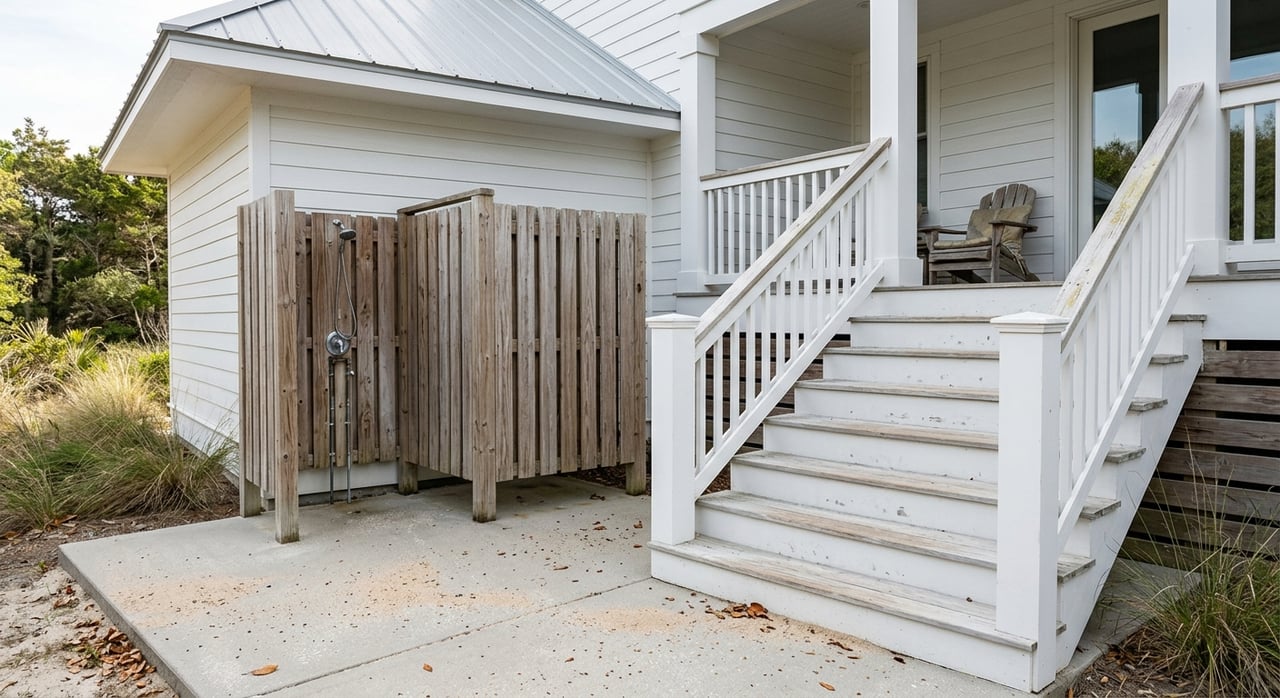
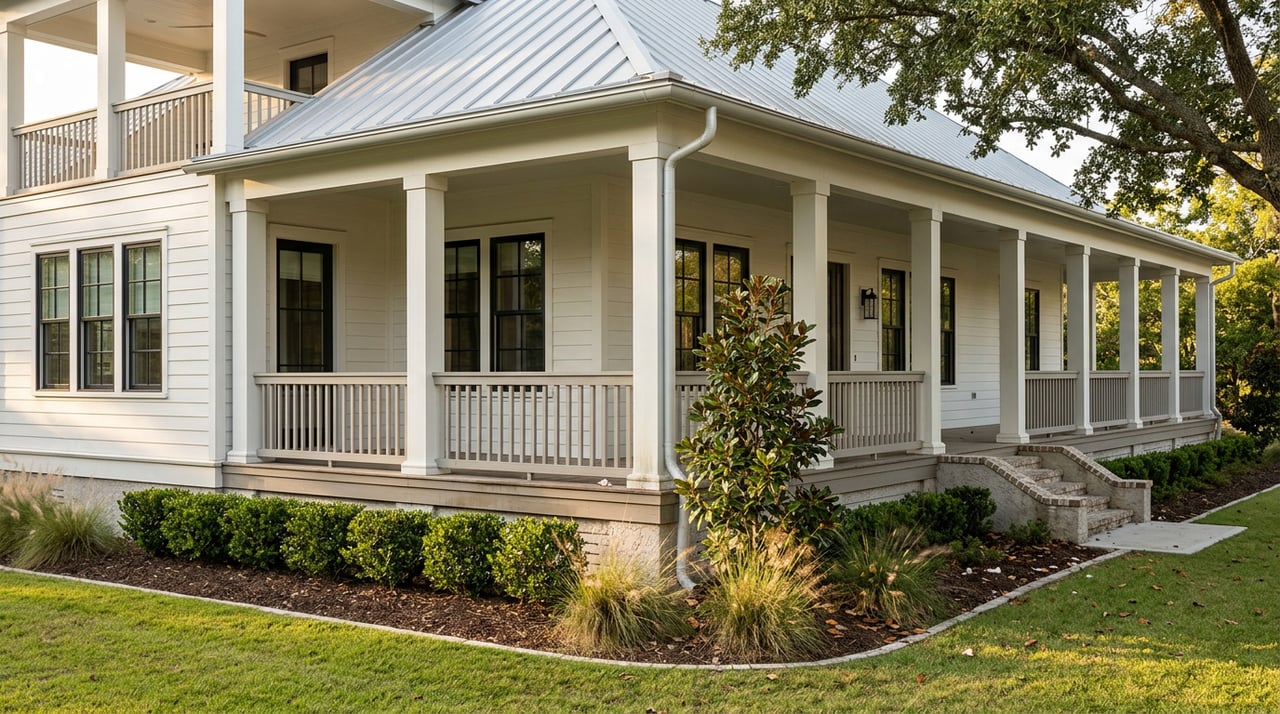
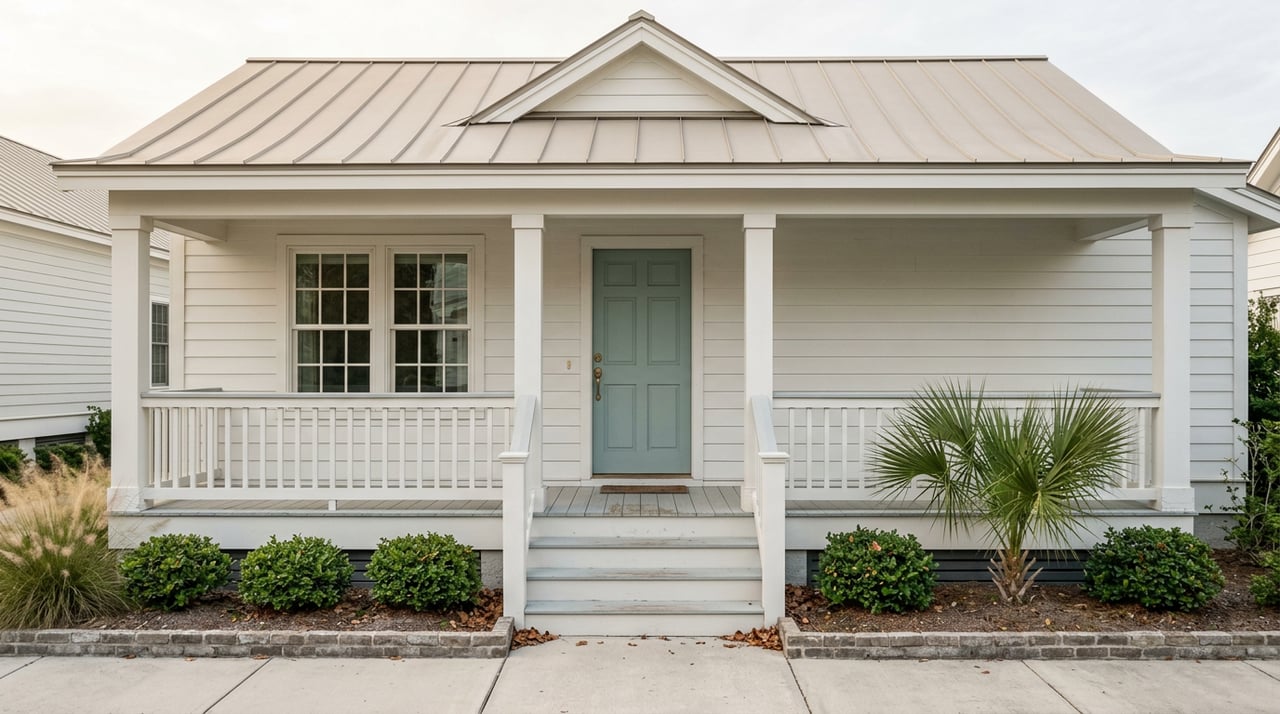
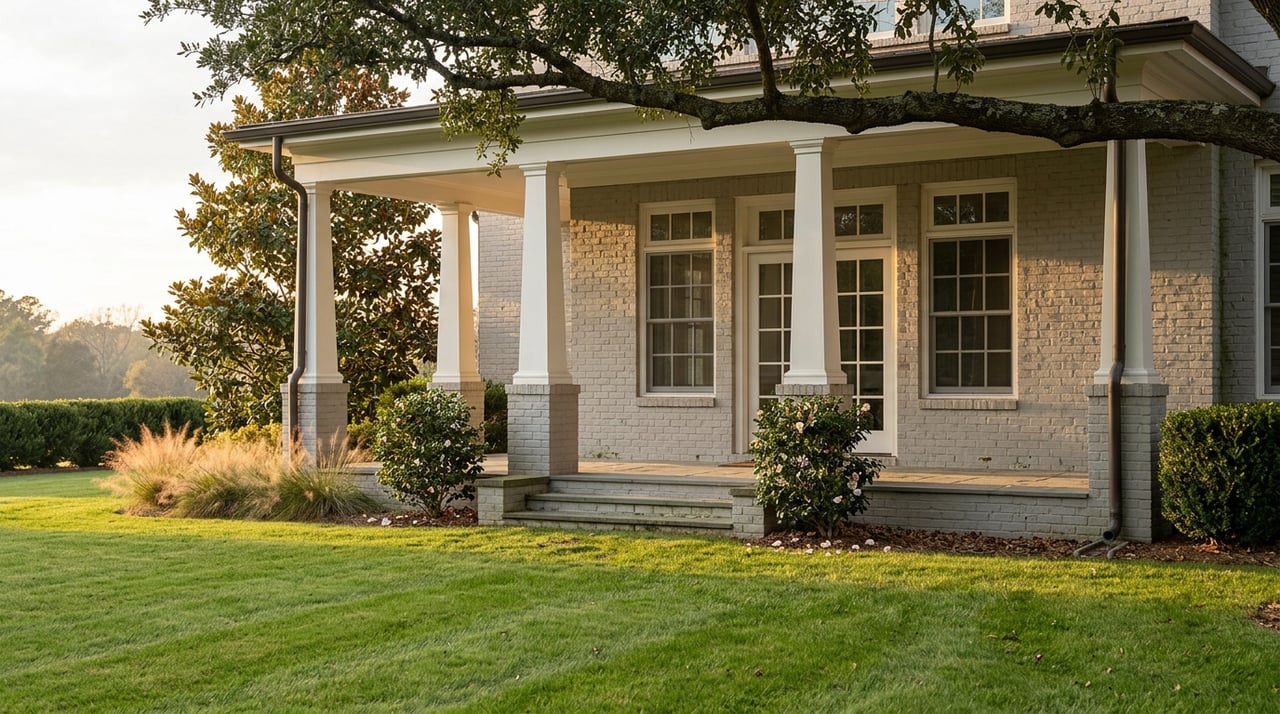
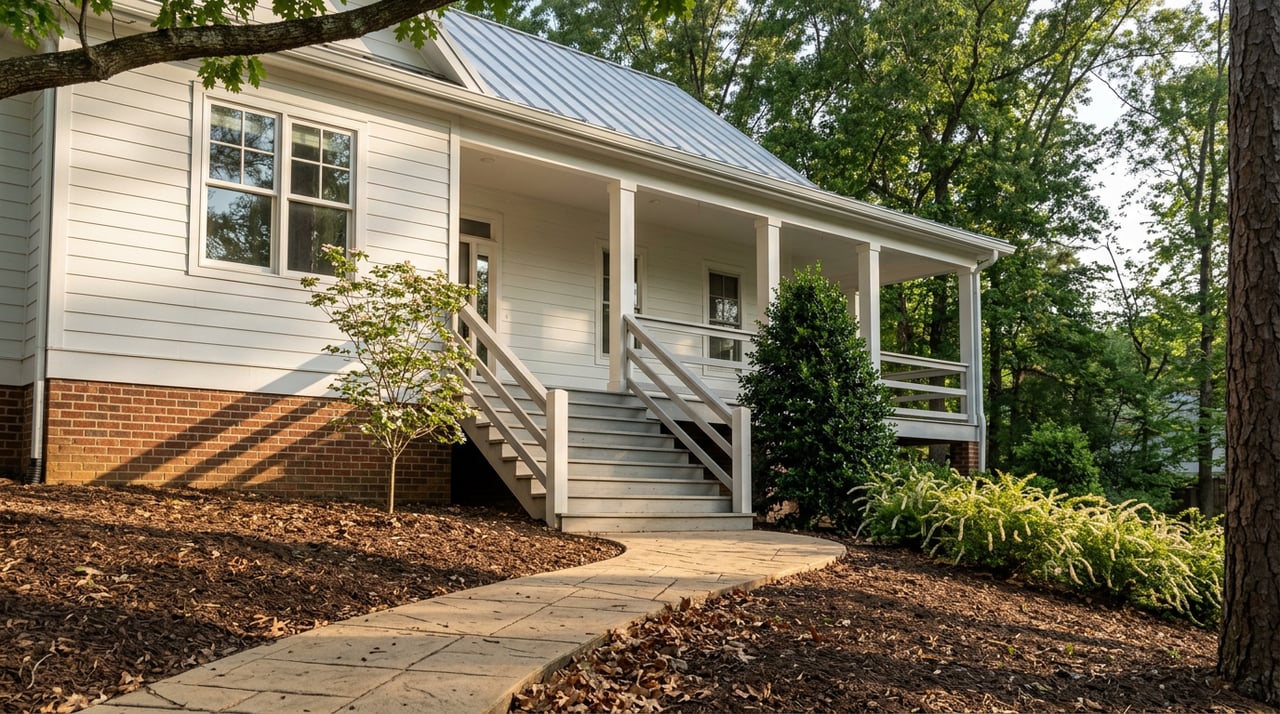
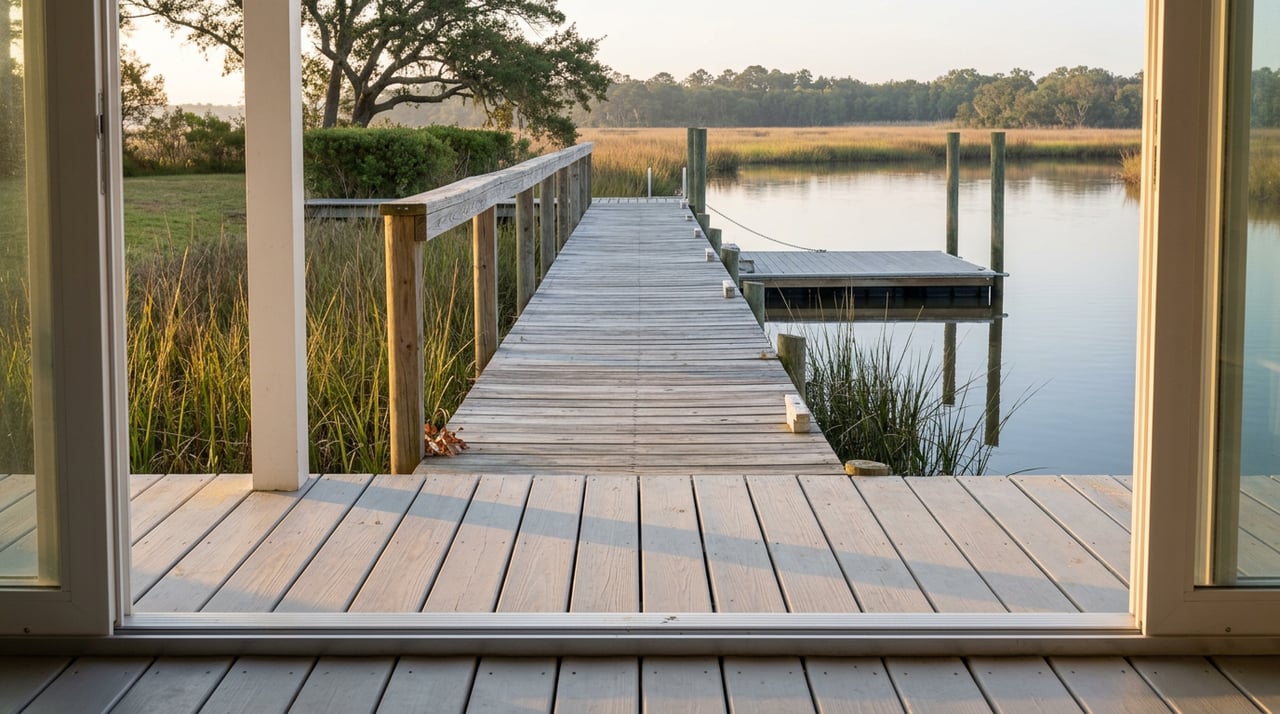
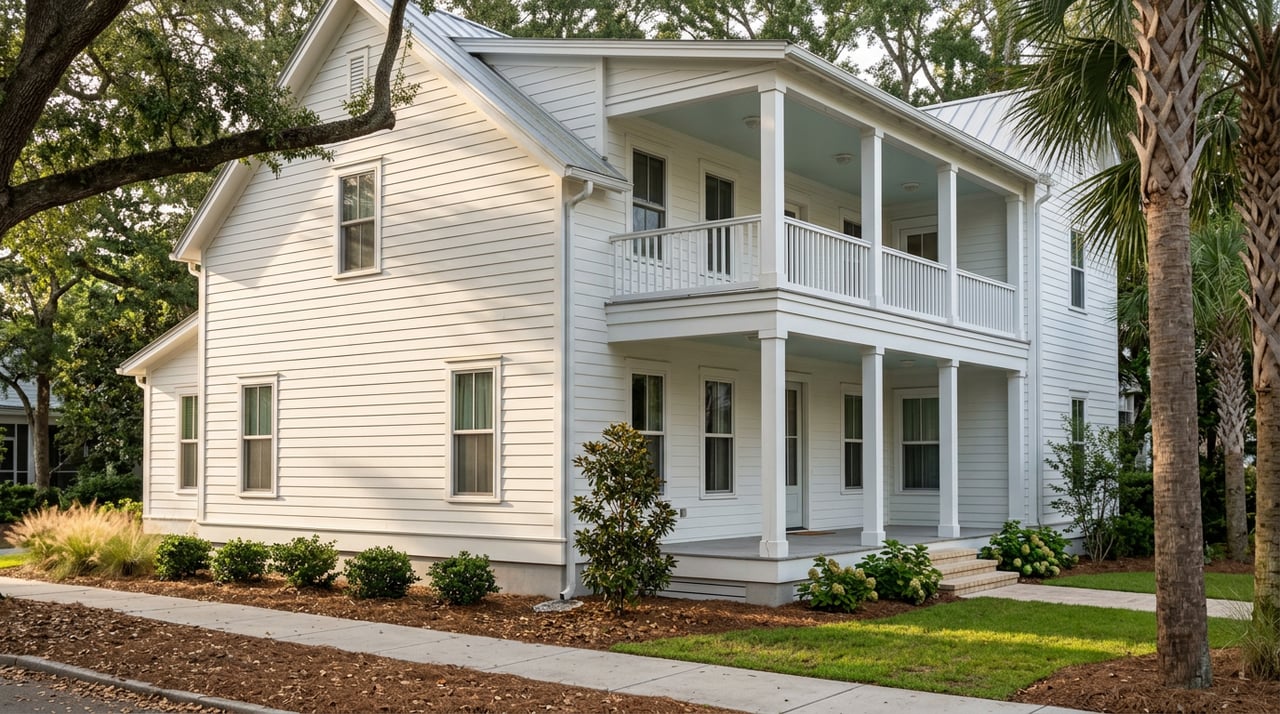
Local guide coverage describes Seagrove as a coastal enclave with Craftsman bungalows and transitional two-story homes. In the broader Carolina Beach area, you may also see condos, townhouses, detached homes, elevated shorefront properties, and some sound-side homes with docks or boat slips.
Buying in Seagrove is often less about finding a high-volume investment product and more about finding the right beach retreat for your goals. If you want a place for personal use first, with rental potential as a bonus, this neighborhood may fit that mindset well.
Because inventory can be tight, timing matters. You may need to act decisively when the right home comes up, especially if the property checks key boxes like beach access, parking, outdoor living space, or layout flexibility for guests.
This is also a market where comparable sales become especially important. With limited active inventory, buyers usually need a closer look at recent sales, property condition, lot position, and any features that may affect long-term use or appeal.
One of the smartest ways to approach a Seagrove purchase is to think about how you want to use the home. If your main goal is to create a reliable vacation base for your family and guests, you can make a clearer decision than if you buy based only on income projections.
The research points to an important conclusion: Seagrove is best understood as a beach retreat with rental potential, not a turnkey income asset. That distinction can help you avoid overestimating what a second home will do financially, especially in a seasonal coastal market.
Carolina Beach has strong visitor demand, but it is seasonal. AirDNA’s July 5, 2026 snapshot showed 2,779 active short-term rental listings in the broader market, with average annual revenue of $33.3K, average occupancy of 55%, and an average daily rate of $378.
Those numbers provide useful context, but they do not guarantee performance for any specific home. In a neighborhood like Seagrove, your results will depend heavily on the property itself, how often you reserve it for personal use, and how well the home fits guest expectations.
If you plan to rent your vacation home part-time, seasonality should shape your budget from day one. AirDNA gives Carolina Beach a seasonality score of 43 out of 100, and the town’s 2020 CAMA land-use plan estimated July peak occupancy at 90% for short-term rental units.
That tells you something important. Summer is the core booking season, and your strongest rental demand is likely to be concentrated around peak beach months rather than spread evenly throughout the year.
That does not mean the property loses value outside summer. Carolina Beach State Park supports year-round appeal with hiking, paddling, fishing, a marina, and boat access, while the town’s ocean-rescue season runs from Memorial weekend through Labor Day weekend, reinforcing the importance of summer for beach-focused visitors.
For you as a buyer, this means the home should work in two ways. It should deliver personal enjoyment beyond peak season while still making sense if rental income is strongest in a narrower seasonal window.
If you want to rent the home for short stays, North Carolina’s Vacation Rental Act is essential to understand. It applies to residential property rented for vacation, leisure, or recreation for fewer than 90 days, including single-family homes, condos, apartments, townhouses, and cottages.
The law also requires a written vacation rental agreement. That agreement must spell out the parties’ rights, obligations, deposits, and fees, so this is not something to handle casually or assume can be managed with a simple informal arrangement.
For part-time rental owners, this affects how you set up the property from the start. Even if you mainly want a personal beach house, any short-term rental use should be planned with proper paperwork and operating systems in mind.
Short-term rental income also brings local tax responsibilities. In New Hanover County, short-term rentals are subject to a 6% room occupancy tax, and operators must report monthly sales by the 20th day after the reporting month.
That means a Seagrove vacation home is not just about purchase price and mortgage planning. If you intend to rent it, even occasionally, you need to think through reporting, recordkeeping, and how the property will be managed.
This is one reason buyers benefit from a realistic ownership plan before making an offer. If you know whether the home will be personal-use heavy, lightly rented, or more actively rented during peak season, you can make better decisions about layout, furnishing, and ongoing management.
Many second-home buyers focus first on the down payment and monthly payment, but coastal ownership requires a wider lens. In New Hanover County, the FY 2026-2027 property tax rate is 30.6 cents per $100 of assessed value, which should be part of your long-term cost planning.
You should also expect higher maintenance demands than you might with an inland second home. NOAA and North Carolina Sea Grant both emphasize salt exposure, ongoing maintenance, and resilience planning in coastal settings, so it is wise to keep a stronger reserve for exterior wear, storm-related repairs, and long-term upkeep.
A practical beach-home budget often includes:
A vacation home can still be a great purchase, but success usually comes from planning for the full ownership picture, not just the closing table.
If you buy a home and want to make updates, permit rules matter. New Hanover County Building Safety issues building permits for residential and commercial projects in Carolina Beach.
The town’s online portal covers certain smaller projects such as fences, driveway or hardscaping work, fill, grading, clearing, and accessory structures under 12 feet in any direction. If your plans include exterior improvements or site changes, it is smart to confirm what approvals may be needed before work begins.
This can be especially important for vacation-home buyers. Many owners want to improve storage, outdoor showers, parking areas, decks, or yard usability soon after closing, and knowing the process up front can save time and frustration.
Local logistics can affect how convenient your second home feels in daily use. Carolina Beach parking passes require vehicle registration plus proof of residency or property ownership.
Re-entry decals are free for eligible owners and residents from January 1 through March 31, then rise to $20 after March 31. If you expect frequent visits during the year, it helps to understand those deadlines and requirements early.
Beach rules matter too, especially if you plan to host friends or family. Carolina Beach prohibits alcohol, glass containers, overnight camping, driving, and open fires on the strand, so it is helpful to know the basics before your first busy holiday weekend at the house.
In a small neighborhood with limited turnover, your decision should go deeper than the photos. A strong evaluation looks at both your lifestyle fit and the property’s operating reality.
Here are a few smart questions to ask as you compare homes:
The right property is usually the one that fits your real habits, not just your ideal scenario. That is especially true in Seagrove, where each home may offer a different mix of character, condition, and flexibility.
A clear strategy can help you move with confidence when inventory is low. In Seagrove, that often means defining your priorities early and being realistic about tradeoffs.
Start by separating your must-haves from your nice-to-haves. You may want beach-home charm, room for guests, rental flexibility, or easier maintenance, but few homes will check every box perfectly.
It also helps to review the property through three lenses:
Think about how often you will come, what seasons you will use the home, and how you want the property to function when you are there. A vacation home should feel easy to enjoy, not like a constant project.
If you plan to rent, think about guest flow, sleeping arrangements, parking, and upkeep. Since Carolina Beach rental demand is seasonal, the home should still make sense even if income is concentrated in peak months.
Look closely at taxes, maintenance, permits, access rules, and any future improvement plans. The most satisfying second-home purchases usually come from balancing emotion with day-to-day practicality.
Buying a vacation home in Seagrove is rarely a simple plug-and-play decision. With thin neighborhood-level data, limited inventory, and seasonal rental dynamics, buyers often need a more tailored approach than they would in a larger, more uniform market.
That is where local guidance becomes valuable. When you have someone helping you evaluate property-specific tradeoffs, understand the broader Carolina Beach context, and think through both lifestyle and ownership costs, it becomes much easier to make a smart move.
If Seagrove is on your radar, the goal is not just to buy a beach house. It is to buy the right beach house for the way you want to live, visit, and possibly rent.
If you are thinking about buying a vacation home in Seagrove at Carolina Beach, Rob Warwick can help you evaluate the market, compare properties, and build a plan that fits your goals.
Stay up to date on the latest real estate trends.
Providing our clients with a stress-free home buying or selling experience is our number one priority. With personalized service, our team will guide you through every step of the process. Our approach to helping clients buy or sell a home in the Wilmington area is simple—it starts with exceptional customer service. We take the time to listen, follow up, and answer questions directly, ensuring your experience is seamless and rewarding.